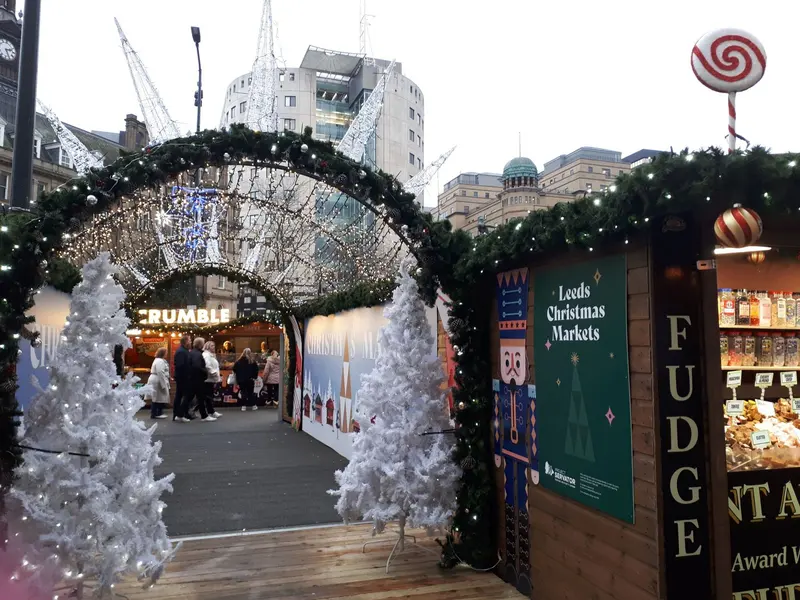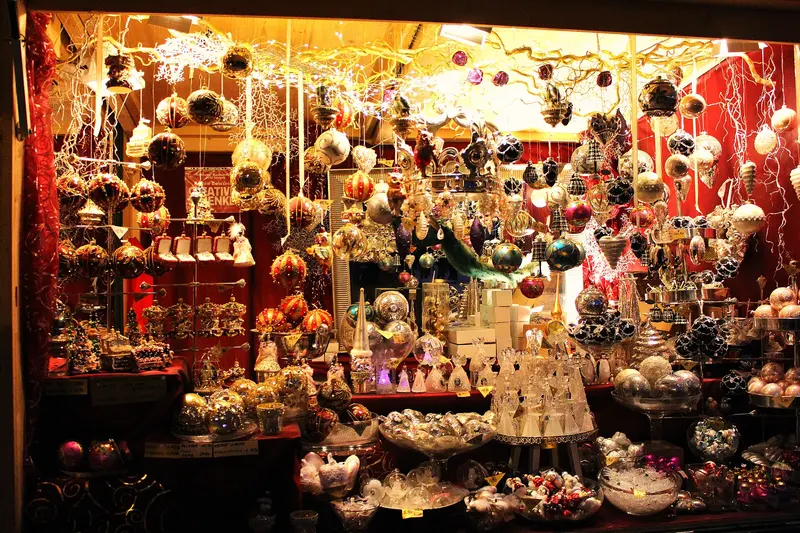
A Christmas market is a good place to find gifts you won’t see on the high street: handmade decorations, local food, jewellery and crafts. But a market stall is only there for a few days or weeks, so it is worth knowing where you stand if something turns out to be faulty after the chalets have gone. This is general information from Citizens Advice, GOV.UK and council trading standards guidance — not legal advice.
The same rights as in a shop
When you buy goods from a trader — a business, including a stallholder selling as a business — your purchase is covered by the Consumer Rights Act 2015. Citizens Advice says you have rights if what you bought is:
- broken or damaged ("not of satisfactory quality")
- unusable for its purpose ("not fit for purpose"), or
- not as described — not what was advertised or what the seller told you.
Depending on the problem and how soon you raise it, the remedies can include a refund (there is a short-term right to reject faulty goods), a repair or replacement, or a price reduction. Citizens Advice says it doesn’t matter whether the item was new or second-hand.
You don’t have these rights if the damage came from wear and tear, an accident or misuse, or if you knew about the fault before you bought it — so point out any flaw you notice and agree what happens before you pay.
Changing your mind
Faulty-goods rights are not the same as a returns policy. Council trading standards guidance says the law gives you no right to a refund just because you change your mind or see the item cheaper elsewhere. Some stallholders will exchange gifts anyway, but that is their choice. If you are buying a present, ask about exchanges before you pay, and keep a note of what they say.
Get the trader’s details
The main risk with a market is that the trader is hard to find afterwards. Council guidance on one-day sales, pop-up shops and street traders warns that it "may be virtually impossible" to use your rights if you can’t trace the seller. So:
- Take a business card or note the trader’s name, website and phone number.
- Keep the receipt, or a photo of it. A bank or card statement can also show when and how much you paid.
- Photograph handmade or one-off items before you wrap them, in case you need to describe a problem later.
Paying by card
Most stalls take cards and contactless, and paying by card can help if something goes wrong:
- Credit card: Citizens Advice says you can use section 75 — making the card provider jointly responsible — if you paid more than £100 and no more than £30,000 for a single item.
- Debit card, or a credit card where section 75 doesn’t apply: you can ask your bank to try a chargeback.
Council guidance also says traders can’t add a surcharge for paying by credit or debit card.
Food and drink
If you or someone you’re buying for has a food allergy, ask the stall about ingredients before you buy — our guide to Christmas market food and drink has more tips.
Where to get help
If you can’t sort a problem out with the trader:
- England and Wales: the Citizens Advice consumer service, 0808 223 1133 (Welsh language 0808 223 1144). It can pass cases to trading standards.
- Scotland: Advice Direct Scotland, 0808 164 6000.
- Northern Ireland: Consumerline, 0300 123 6262.
Every market on this site links to its organiser, who may also be able to put you in touch with a trader after the event. Browse all our markets, or see what’s open today.
Sources
Checked 23 November 2026. Dates and opening times can change, so check with the organiser before you travel.
Dates and details come from each market’s organiser and can change at short notice — check the market’s page, and the organiser’s own site, before you travel. Spotted a mistake? Tell us.